Planting and Garden Maintenance for Port Sunlight Eastham
If your garden in Port Sunlight Eastham feels a little out of step with the season, you are not alone. A space can look lovely in spring and then suddenly become a bit patchy, overgrown, or tired by midsummer. That is where planting and garden maintenance for Port Sunlight Eastham makes a real difference: the right planting choices, the right care at the right time, and a routine that keeps everything healthy without turning weekends into a second job.
In practice, good garden upkeep is a mix of planning and consistency. You want plants that suit the light, soil, wind, and everyday use of the garden, then you need simple maintenance that keeps borders tidy, lawns balanced, hedges in check, and shrubs growing in the right shape. Sounds basic, but getting that balance right is what separates a garden that just survives from one that actually feels welcoming.
This guide walks through how planting and ongoing garden care work, the benefits, the common pitfalls, and the steps that make the biggest difference. If you are looking for a local, practical approach rather than generic advice, you are in the right place.
Why Planting and garden maintenance for Port Sunlight Eastham Matters
Port Sunlight Eastham gardens often have a few things in common: mixed shade and sun, changing exposure to wind, and planted spaces that need to do more than look good for a few weeks in June. A sensible planting plan can turn an awkward corner, a dull front garden, or a forgettable lawn edge into something that feels settled and well cared for.
Maintenance matters just as much as planting. Truth be told, a lot of garden problems do not start as big problems. They start as little ones: a hedge trimmed at the wrong time, a border that is never weeded properly, a lawn that gets cut too short when the weather turns dry, or a shrub that was planted too close to a wall and slowly struggles. By the time you notice, the fix can take far longer than the prevention would have done.
Local conditions also shape what works. Some gardens hold moisture after rain, some dry out quickly in exposed spots, and some get a surprising amount of shade from fences, trees, or neighbouring buildings. That means the best results usually come from choosing plants and maintenance routines that suit the site rather than fighting it. Why force a sun-lover into a shady border if a better choice will thrive there with less effort?
Practical takeaway: the best gardens are rarely the most complicated. They are the ones where plant selection, soil care, and maintenance routines all support each other, week after week.
How Planting and garden maintenance for Port Sunlight Eastham Works
At its simplest, the process has two parts: establishing the planting and keeping it healthy. Planting is about selecting the right species, preparing the soil, spacing things correctly, and making sure roots get a proper start. Maintenance is the ongoing work that keeps those plants growing well and stops the garden from drifting into neglect.
A good garden maintenance routine usually includes lawn care, border weeding, deadheading, pruning, hedge trimming, feeding where needed, and seasonal tidy-ups. If the garden is larger or more established, it may also include tree care, clearance of fallen material, and occasional reshaping of planting beds so the space keeps working for you.
Many people think maintenance is mostly cosmetic, but it is more than that. A tidy edge is nice, yes. But regular care also improves airflow, reduces competition for water, helps prevent disease, and makes problems easier to spot early. You notice a lot when you are in a garden every few weeks. That one border that looked fine in April can tell a very different story by August.
For homeowners who want help with the ongoing side of things, a structured service such as garden maintenance can keep the work manageable throughout the year. When layout or visual balance needs improvement as well, landscape gardening and broader landscaping work may be the better fit.
What changes through the year
- Spring: soil preparation, new planting, feeding, mulching, and cutting back winter damage.
- Summer: watering, deadheading, lawn care, pest checks, and keeping growth in proportion.
- Autumn: leaf clearance, dividing crowded plants, planting bulbs, and putting beds to bed for winter.
- Winter: structural pruning where appropriate, planning new beds, and protecting vulnerable plants from harsh weather.
A lot of success comes down to timing. Miss the window and you can still recover, but the work becomes harder. Get the timing right and everything else feels easier. Simple as that, really.
Key Benefits and Practical Advantages
Well-planned planting and consistent garden maintenance do more than improve looks. They make the garden easier to live with. That is a big difference.
- Healthier plants: the right soil prep, watering, and pruning keep plants stronger for longer.
- Better curb appeal: a tidy front garden gives an immediate sense of care and order.
- Lower long-term effort: regular maintenance prevents the kind of overgrowth that takes half a day to undo.
- More usable space: paths, seating areas, and borders stay clear instead of becoming cluttered.
- Fewer surprises: pests, disease, and structural issues are easier to catch early.
- Better seasonal rhythm: your garden starts to feel planned rather than accidental.
There is also a less obvious benefit: confidence. Once the garden is working well, you stop wondering whether that shrub will survive the winter or whether the lawn is beyond saving. A garden that is being looked after tends to feel calmer. You will notice it on a wet Tuesday afternoon, when everything still looks decent instead of defeated.
If part of your garden has become cluttered or neglected, a one-off tidy-up can create a cleaner starting point. In those cases, garden clearance may be the best first step before any serious planting begins.
Who This Is For and When It Makes Sense
This kind of service makes sense for a wide range of people. Some want a low-maintenance garden that still looks good. Others want to revive a space that has been left too long. And some simply want a more reliable routine so they do not have to keep chasing weeds and overgrowth every few weeks.
It is especially useful if you are:
- moving into a property with a tired or unfinished garden
- trying to improve a front garden and make the home feel more cared for
- dealing with borders that look sparse in one season and crowded in another
- managing hedges, shrubs, or small trees that need steady upkeep
- preparing the garden for sale, letting, or regular family use
- looking for a more professional finish than occasional DIY jobs can give
It also makes sense when your own schedule is full. Let's face it, gardening is often pushed to the bottom of the list until everything looks a bit wild. Then the job is bigger, heavier, and more frustrating than it needed to be. A bit of structure avoids that cycle.
For gardeners who want a few reliable service areas combined, it can help to think in layers: lawn care through lawn mowing, boundary management through hedge trimming, and larger woody growth managed through tree lopping and removal where needed.
Step-by-Step Guidance
If you are tackling planting and maintenance in a sensible, methodical way, this is the sequence that tends to work best. It is not glamorous, but it is reliable.
- Assess the site properly. Look at sun, shade, wind, drainage, access, and how the garden is actually used day to day. A patio garden with morning shade needs a different approach from a bright, open lawn edge.
- Check the soil condition. Soil texture matters more than people think. Heavy, sticky soil behaves differently from lighter, free-draining ground. Even a rough hand test tells you a lot.
- Choose plants for the site, not just the picture. Choose plants that match the conditions and the amount of time you can give them. A beautiful but high-maintenance plant is still high-maintenance on a rainy Monday.
- Prepare the ground thoroughly. Remove weeds, improve structure where needed, and make sure the planting area is not compacted. Bad prep is one of the main reasons new plants struggle.
- Plant with proper spacing. Crowding looks full at first, but it creates maintenance headaches later. Give plants room to breathe and grow.
- Mulch the beds. Mulch helps hold moisture and reduces weed growth. It also gives a neat, finished look. Very underrated.
- Set up a maintenance rhythm. Decide what happens weekly, monthly, and seasonally. Regular light work is much easier than occasional heavy work.
- Review after the first season. See what thrived, what sulked, and what needs moving. Gardens improve when you accept that a first plan is sometimes a draft, not a verdict.
A small real-world example: a border that seemed "too empty" in April can be exactly right by August if the plants are chosen for spread and seasonal movement. People often plant for the immediate view and forget that nature loves a bit of patience. Not always helpful, but true.
Expert Tips for Better Results
A few practical habits can lift a garden from decent to genuinely well cared for. None of these are flashy. They just work.
1. Think in layers
Mix ground cover, mid-height shrubs, and taller structural plants. This creates depth and reduces the amount of bare soil that weeds can colonise. Layered planting also looks better in winter, when flowers are scarce and structure carries the space.
2. Don't overfeed everything
Some gardens get a bit too much enthusiasm with fertiliser. More is not always better. Overfeeding can lead to soft, weak growth that looks good for a fortnight and then flops. Use feed where it is needed, and let the plant tell you something, if you can.
3. Keep edges honest
Sharp lawn edges and border lines make even simple gardens look intentional. You do not need a grand design. Sometimes you just need the edges to stop wandering around like they are late for something.
4. Prune with a reason
Pruning should improve shape, health, or flowering. If a cut does not help one of those things, think twice. Different shrubs have different pruning windows, so it is worth checking before you start snipping away on impulse.
5. Use the weather intelligently
After a dry spell, watering deeply but less often tends to be more useful than a quick splash every day. During wet periods, focus on drainage and airflow. On windy days, newly planted specimens may need extra support. Small adjustments make a big difference.
For a wider picture of available work, many homeowners like to start with the services overview and then decide which parts of the garden need the most attention first.
Common Mistakes to Avoid
Most garden problems are not dramatic. They are usually the result of small, repeated errors. That is the annoying bit.
- Planting too close together: it feels full at first, then turns crowded and hard to maintain.
- Ignoring the shade pattern: a plant that loves sun will never truly settle in a dark corner.
- Cutting lawns too short: especially in warmer or drier periods, this weakens the grass.
- Pruning at the wrong time: some plants flower on old growth, so a bad cut means no blooms later.
- Leaving clearance too late: weeds, brambles, and fallen debris become more demanding the longer they sit.
- Forgetting access paths and working space: if maintenance is awkward, it gets skipped more often.
- Assuming every plant needs the same care: one size definitely does not fit all in gardens.
Another one to watch: buying plants because they look impressive in the shop, then discovering they need a completely different setting at home. We have all done it, to be fair. The plant is not always the problem. Sometimes the plan is.
Tools, Resources and Recommendations
You do not need a shed full of specialist kit to keep a garden in good shape, but a few dependable tools make life much easier.
- Bypass secateurs: useful for clean cuts on live stems and smaller shrubs.
- Sharp shears: help keep hedges and soft growth tidy without tearing.
- Spade and hand trowel: for planting, dividing, and soil preparation.
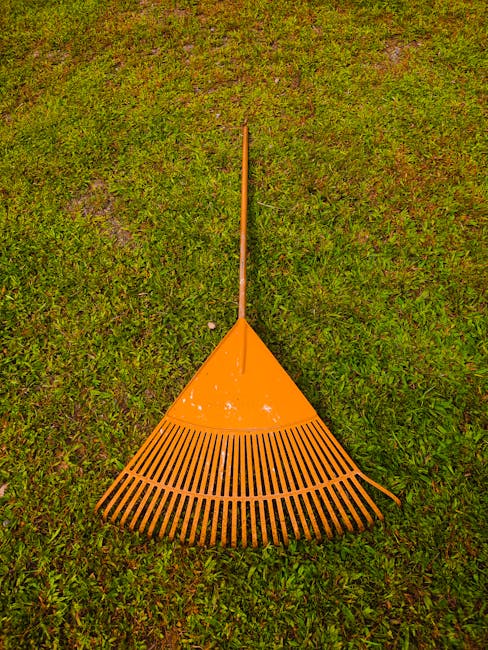
- Rake: ideal for leaf clearance, fine debris, and levelling beds.
- Watering can or hose setup: especially useful for new planting and dry spells.
- Gloves and sturdy footwear: not glamorous, but worth it. Thorny surprises are rarely welcome.
- Wheelbarrow or garden sack: makes clearing and moving material faster.
If you prefer a service-led approach rather than doing everything yourself, look for clear communication, regular scheduling, and a practical scope of work. Good providers should be able to explain what they will do, how often, and why it matters. If you are comparing options or want a better idea of what a tailored package might involve, pricing and quotes can help set expectations.
It is also worth paying attention to how garden waste is handled. Responsible disposal and reuse make a difference over time, and they are a good sign that the work is being done with care. A service with a clear approach to recycling and sustainability is often more thoughtful in the small details too.
Law, Compliance, Standards, or Best Practice
For most household gardens, the main concern is not legal complexity; it is sensible practice. Still, there are a few good standards to keep in mind. Trees, hedges, access routes, and waste handling can all carry practical responsibilities, especially where work might affect neighbours, shared boundaries, or safety.
Best practice usually includes:
- carrying out tree and hedge work carefully, with attention to overhang and property boundaries
- keeping paths and access areas reasonably clear during maintenance visits
- using tools safely and storing them appropriately
- making sure the garden is not left with hidden hazards after pruning or clearance
- disposing of waste responsibly and avoiding unmanaged piles of green waste
Where work is more involved, or where heavier cutting and removal are needed, insurance and proper working methods matter. It is perfectly fair to ask about these things. In fact, you should. A reputable provider should be able to explain how they work and what safety steps they follow. That kind of openness builds trust quickly.
You can also review a provider's approach to health and safety and insurance and safety if you want extra reassurance before work begins. And if you are simply checking who the team is, the about us page is a sensible place to start.
Options, Methods, or Comparison Table
People often ask whether they should handle garden care themselves, book occasional help, or go for a regular maintenance plan. The right answer depends on the size of the garden, how fast it grows, and how much time you realistically have. Not ideal to guess, really.
| Approach | Best for | Strengths | Limitations |
|---|---|---|---|
| DIY planting and upkeep | Small gardens, confident gardeners, limited budgets | Full control, flexible timing, lower direct cost | Can be time-consuming, easy to miss seasonal tasks |
| One-off garden tidy-up | Overgrown spaces, move-in prep, occasional resets | Fast improvement, good starting point | Does not prevent future decline without follow-up |
| Regular maintenance visits | Busy households, larger gardens, high-visibility front gardens | Consistent results, fewer issues building up | Ongoing commitment, may feel less hands-on |
| Full planting and maintenance plan | Gardens needing layout changes and long-term care | Best for transformation, stronger seasonal planning | Usually needs a clearer brief and more planning |
If the garden is structurally sound but simply lacks rhythm, regular maintenance may be enough. If the layout is awkward, the planting tired, and the surfaces neglected, then a broader approach is usually the better investment. A good provider should help you choose the least complicated route that still solves the actual problem.
Case Study or Real-World Example
Here is a typical scenario. A homeowner has a front garden with a tired lawn, an overgrown hedge, and a border full of a few surviving shrubs, a lot of weeds, and not much else. Every spring they say they will sort it out. By late summer, it still looks the same. Happens all the time.
The practical fix usually starts with clearance and a reset. First, the hedge is trimmed properly so light reaches the border again. Then the dead and weak growth is removed, the soil is improved, and the planting area is reworked into a simpler shape. A handful of hardy plants are chosen for structure and seasonal interest, rather than trying to cram in too much colour at once. The lawn is then brought back under control with regular mowing, not a heroic effort every six weeks.
What changes? The garden becomes easier to maintain because it has fewer competing elements and clearer roles. The hedge frames rather than swallows. The border breathes. The lawn looks cared for rather than merely cut. And the owner, who once dreaded the whole thing, now has a space that feels manageable. Not perfect, but much better. Often, that is exactly the win people need.
In many cases, combining planting improvements with services like lawn mowing and hedge trimming delivers the best long-term result because the garden starts behaving like one coordinated space instead of a collection of separate chores.
Practical Checklist
Use this checklist before starting or reviewing any planting and garden maintenance plan.
- Have you checked sun, shade, wind, and drainage?
- Do the chosen plants suit the garden's conditions?
- Has the soil been prepared properly?
- Are plants spaced for mature size, not just their current size?
- Is there a clear watering plan for new planting?
- Do lawn, hedge, and border tasks have a simple routine?
- Have any overgrown sections been cleared first?
- Is pruning being done at the right time for each plant type?
- Are waste and clippings being removed responsibly?
- Do you know when to ask for professional help rather than pushing on alone?
Quick self-check: if the same problems keep coming back every season, the garden probably needs a better system, not just more effort.
If you are unsure where to begin, a first conversation can help you separate the urgent tasks from the nice-to-have ones. Sometimes that is the most useful part.
Get a free quote today and see how much you can save.
Conclusion
Planting and garden maintenance for Port Sunlight Eastham works best when it is practical, seasonal, and built around the real conditions of the garden. Choose plants that can thrive where they are placed. Keep the maintenance routine simple enough to stick to. Fix small issues before they become big ones. It is a very ordinary formula, but it delivers.
The best gardens usually are not the ones that demand constant attention. They are the ones where everything fits together well enough that care becomes manageable, even on busy weeks. That kind of balance is worth aiming for.
If you are ready to improve a garden that has become difficult to manage, or you simply want a more reliable plan for the months ahead, the next step is straightforward: look at the space honestly, decide what needs to change, and build from there. One good season can reset a garden more than people expect.
Frequently Asked Questions
What does planting and garden maintenance actually include?
It usually includes choosing suitable plants, preparing beds, watering, feeding where needed, weeding, pruning, hedge trimming, lawn care, and seasonal tidy-ups. In larger gardens, it may also include clearance and tree work.
How often should a garden in Port Sunlight Eastham be maintained?
That depends on the size of the garden and how quickly it grows, but most gardens benefit from weekly or fortnightly attention in the growing season, with seasonal tasks added in spring and autumn.
What are the best plants for low-maintenance gardens?
Low-maintenance gardens usually rely on hardy shrubs, reliable perennials, ground cover, and plants suited to the available light and soil. The best choices are the ones that fit your exact site rather than trending plants you have seen elsewhere.
Is garden clearance needed before new planting?
Often, yes. If an area is overgrown, full of weeds, or cluttered with dead material, clearance creates the right starting point. Planting into a neglected bed usually means problems return quickly.
Can I combine lawn care, hedge trimming, and planting in one visit?
Yes, and that is often the most efficient way to keep a garden under control. Combining tasks can give the whole space a more joined-up look, rather than fixing one area while the rest still feels unfinished.
When is the best time to plant in the UK?
Spring and autumn are often the most practical planting seasons because soil conditions are usually better and plants are not under the same stress as in hot, dry weather. That said, the right timing depends on the species and weather conditions.
How do I know if my garden needs professional help?
If you keep falling behind, if the same tasks keep growing bigger, or if the garden is not improving despite effort, professional help can save time and reduce wasteful trial and error. That is usually a good sign.
Do I need planning or special permission for normal garden work?
Most ordinary planting and maintenance jobs do not need special permission, but work involving large trees, shared boundaries, or protected features can have extra considerations. If in doubt, it is sensible to check before starting major work.
How can I keep a garden looking tidy with limited time?
Focus on the highest-impact tasks: mowing, edging, weeding, deadheading, and light pruning. A short routine done regularly is usually better than one huge catch-up day every few months.
What should I ask before booking garden maintenance?
Ask what is included, how often work is recommended, how waste is handled, whether safety and insurance are in place, and whether the plan can be adjusted to your garden's needs. Clear answers are a good sign.
What is the difference between landscaping and garden maintenance?
Landscaping usually changes the structure or layout of the garden, while maintenance keeps existing planting and features in good condition. A lot of gardens need a bit of both, just at different times.
How do I keep newly planted shrubs alive through the first season?
Water them consistently, mulch around the base, avoid overfeeding, and check them regularly for stress. The first season is the most important one, and a bit of attention early on makes a big difference later.
For a garden that feels calmer, tidier, and far easier to live with, the right planting plan and maintenance routine can change quite a lot - sometimes more than people expect, and that is a good thing.