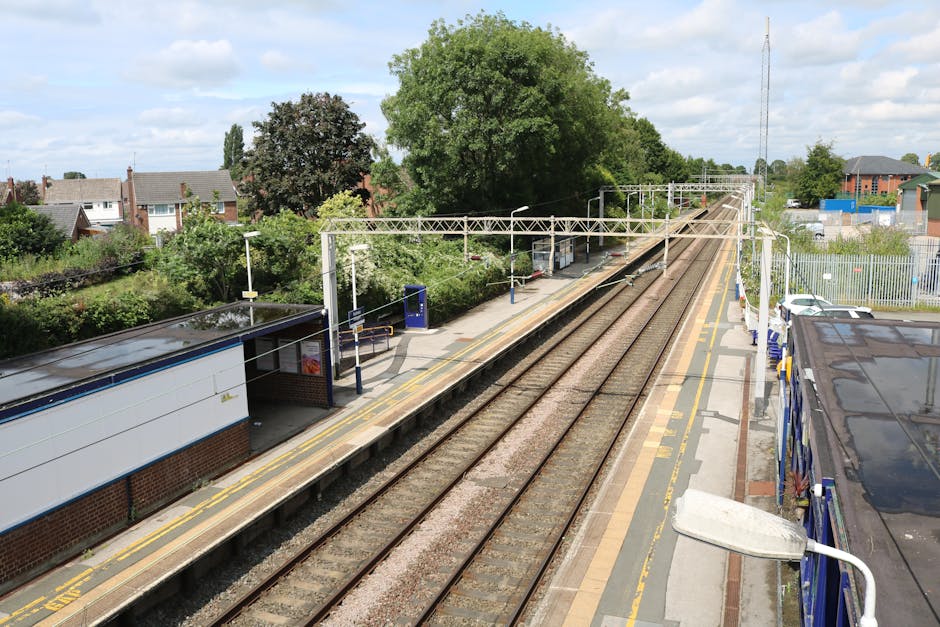
Eastham Rake Station Area Gardening Services for Commuters: A Practical Guide for Busy Homeowners
If you commute through Eastham Rake and the garden keeps slipping to the bottom of the list, you are in good company. The reality is simple: when your day starts early, ends late, and the train timetable has a way of running your life, garden jobs turn into weekend guilt. That is exactly where Eastham Rake station area gardening services for commuters can make life easier. They give you a tidy, workable outdoor space without asking you to sacrifice your evenings or your only free Saturday.
This guide explains how commuter-friendly gardening works, what services are most useful, what to look for in a provider, and how to avoid the usual time-and-money traps. You will also find a practical checklist, a comparison table, and a realistic example of how this can work in day-to-day life. Let's make it properly useful, not just nice to read.
Table of Contents
- Why Eastham Rake station area gardening services for commuters Matters
- How Eastham Rake station area gardening services for commuters Works
- Key Benefits and Practical Advantages
- Who This Is For and When It Makes Sense
- Step-by-Step Guidance
- Expert Tips for Better Results
- Common Mistakes to Avoid
- Tools, Resources and Recommendations
- Law, Compliance, Standards, or Best Practice
- Options, Methods, or Comparison Table
- Case Study or Real-World Example
- Practical Checklist
- Conclusion
- Frequently Asked Questions
Why Eastham Rake station area gardening services for commuters Matters
Commuting changes the way a garden has to be managed. It is not just a matter of convenience; it affects what gets done, when it gets done, and how long it stays looking decent. A patchy lawn or an overgrown hedge can usually wait a week or two. But for someone rushing between home, station, and work, those little delays build up fast.
In the Eastham Rake station area, many households need gardening help that fits around the school run, train departures, and the usual workday squeeze. That means services need to be reliable, scheduled sensibly, and completed with minimal disruption. No long back-and-forth. No waiting around for half a day. Just a straightforward arrangement that suits a busy household.
There is also a practical angle that people sometimes overlook. A maintained garden is easier to live with, easier to keep safe, and usually cheaper to bring back under control than a neglected one. A small amount of regular care often prevents a much bigger clearance job later. Truth be told, that is where commuter households save the most stress.
Expert summary: For commuters, the best gardening service is not simply the cheapest or the fastest. It is the one that fits your schedule, keeps the outdoor space manageable, and reduces the number of tasks you have to think about each week.
How Eastham Rake station area gardening services for commuters Works
At a basic level, these services are designed to be time-efficient and predictable. You arrange a visit, explain what the garden needs, and agree the scope of work. The ideal setup is one where the gardener can complete the job while you are at work, on the train, or simply not at home. That is the whole point, really.
Most commuter-friendly arrangements fall into one of three patterns:
- One-off tidy-ups for gardens that need a reset after a busy stretch.
- Regular maintenance for lawns, hedges, borders, and seasonal jobs.
- Project-based work such as landscaping, decking, or a garden redesign.
A good service should also make communication easy. That means clear expectations before the visit, a sensible time window, and a simple handover after the work is complete. Some jobs are best handled with photos or a written description, especially when the homeowner is at the station early and back late. Small detail, but it helps.
If your garden needs a wider refresh, it can be useful to understand the difference between maintenance and more involved work. For example, ongoing upkeep may be enough for a compact terrace garden, while a larger plot might benefit from landscape gardening or a broader services overview to see how each type of job fits together.
Key Benefits and Practical Advantages
The obvious benefit is time saved. But for commuters, that is only the start. The real value is in reducing mental load. When the garden is in hand, you stop thinking about it every morning as you lock the door. That matters more than people admit.
- Less weekend pressure: You get back some of your Saturday instead of spending it wrestling with a mower.
- Better first impression: A neat front garden or entrance path makes the whole property feel more cared for.
- Lower risk of overgrowth: Regular cutting and pruning stop jobs from snowballing.
- More usable outdoor space: Even a small courtyard becomes pleasant when it is tidy and well maintained.
- Predictable budgeting: Scheduled visits are usually easier to plan for than emergency catch-up work.
There is another benefit too: continuity. Gardens often look best when they are managed consistently. Grass stays even, hedges stay neat, weeds do not get the upper hand, and seasonal work happens at the right time rather than three weeks late. You notice it most in spring and early summer, when growth suddenly seems to double overnight.
If your property needs regular upkeep, exploring garden maintenance can be a smart place to start. For smaller, faster improvements, lawn mowing and hedge trimming are often the most immediately useful services.
Who This Is For and When It Makes Sense
Not every homeowner needs the same kind of support. A commuter-friendly gardening arrangement makes the most sense when time is limited and the garden still needs to look reasonably sharp week after week. That might be you if you leave before 7:30, get back after dark in winter, or spend your only free time catching up on everything else.
It is especially helpful for:
- Busy professionals who commute from Eastham Rake and want a tidy home without extra effort.
- Families juggling work, school, and home life.
- Landlords who want outdoor areas to remain presentable between tenancies.
- Older homeowners who prefer dependable help rather than doing physical garden work themselves.
- People recovering from a busy season, a move, or a larger garden project.
It also makes sense when a garden has started to drift. You know the signs: grass going too long, leaves building up near the fence, a hedge starting to lean into the path, or the back gate becoming a bit of an obstacle course. Nothing dramatic. Just enough to make you sigh when you see it.
And yes, it is also for people who simply do not want gardening to become another job. Fair enough, honestly.
Step-by-Step Guidance
If you want the process to feel smooth rather than awkward, a little planning goes a long way. Here is the practical route I would suggest.
- Assess the garden honestly. Walk around and note what actually needs doing: mowing, edging, hedge cutting, clearance, pruning, planting, or a proper reset.
- Decide what outcome you want. Do you want "tidy and manageable" or "refreshed and improved"? Those are different jobs.
- Choose between one-off and recurring help. If the garden gets messy quickly, recurring visits usually work better. If it has just gone a bit wild, a one-off may be enough.
- Share access details early. Think about gates, side passages, parking, bins, pets, and any awkward steps or narrow paths.
- Prioritise the urgent jobs first. Focus on safety and visibility before cosmetic improvements. Overhanging branches and blocked paths usually come before decorative planting.
- Ask for a clear scope. The more specific you are, the easier it is to avoid misunderstandings.
- Check what aftercare is needed. Some work, especially planting or turf-related tasks, may need watering or a follow-up visit.
A practical note: if you are arranging this around commuting, give yourself a little buffer. A 10-minute delay can turn into a scramble very quickly, and nobody wants to be messaging about gate access while already halfway to the platform.
For bigger tidy-ups, garden clearance can be the right first step before maintenance begins. If the job is more structural or you are thinking about a fresh layout, landscaping may be the better fit.
Expert Tips for Better Results
There are a few habits that make commuter-focused garden care much more effective. None of them are complicated, which is part of the appeal.
- Keep a running note of issues. A small list on your phone is often enough. By the weekend you will forget half of it otherwise.
- Group jobs by season. It is much easier to deal with pruning, lawn care, and leaf clearance in the right seasonal window than all at once.
- Be clear about finishes. For example, do you want hedge clippings removed, borders edged sharply, or grass cut very short? Say so.
- Plan around weather. Wet grass, windy days, and heavy rainfall can change what is practical. That is just gardening in the UK, isn't it.
- Leave access uncluttered. A clear path and unlocked gate save time and reduce the chance of missed work.
One simple trick that helps busy homeowners: take a few photos of the garden from the same spots every month. It gives you a quick way to see what is changing and whether the maintenance plan is actually working. No spreadsheets required. Thank goodness.
If your outdoor area includes timber features or seating, a bit of decking services planning can also improve how easy the garden is to use after the basic maintenance is sorted.
Common Mistakes to Avoid
Most garden problems for commuters are not caused by bad luck. They come from waiting too long, under-specifying the work, or expecting one visit to fix everything. It happens.
- Leaving maintenance until it becomes clearance. Small jobs are quicker and cheaper than major catch-up work.
- Assuming every service is the same. Mowing, pruning, landscaping, and clearance are not interchangeable.
- Forgetting access details. A locked side gate or no parking space can derail an otherwise simple visit.
- Choosing only on price. Cheap can become expensive if the finish is poor or the job has to be redone.
- Ignoring seasonal timing. Some work is best done in a specific period, and forcing it outside that window can reduce results.
Another common issue is trying to fit everything into one go. For a garden that has been neglected for a while, it is often better to split the work into stages: first clearance, then pruning, then routine upkeep. Simpler for everyone. Less chaotic too.
Tools, Resources and Recommendations
You do not need specialist equipment as the homeowner, but it helps to know what a professional gardener is likely to use so you can judge whether the service is well matched to the task.
| Task | Typical tools or methods | What the homeowner should check |
|---|---|---|
| Lawn care | Mowers, edging tools, strimmers | Grass cut height, waste removal, finish around borders |
| Hedge trimming | Hedge trimmers, ladders, pruning tools | Shape, access, safe cutting near paths or fences |
| Garden clearance | Hand tools, sacks, loading equipment | What is being removed and how waste is handled |
| Tree work | Climbing gear, saws, rigging equipment | Scope, safety approach, and whether the work is suitable |
| Landscaping | Soil tools, turfing equipment, hard landscaping materials | Design intent, surface levels, drainage, and finish |
For most commuters, the most useful starting points are straightforward: lawn mowing, hedge trimming, and garden maintenance. Those three cover a surprisingly large proportion of everyday garden headaches.
If you are dealing with heavy overgrowth, fallen branches, or a space that has simply got away from you, tree lopping and removal or a fuller clearance service may be more realistic than trying to patch things up piecemeal.
Law, Compliance, Standards, or Best Practice
For homeowners, garden work is usually less about formal compliance and more about sensible practice. Still, there are a few things worth keeping in mind. If work involves ladders, power tools, tree cutting, or waste removal, it should be handled carefully and by people who understand basic safety procedures. That is just common sense, but it is worth saying plainly.
When asking for garden services, it is reasonable to expect:
- clear communication about what is included and what is not;
- safe working methods, especially for pruning and tree-related work;
- appropriate handling of green waste and debris;
- respect for neighbouring properties and shared access routes;
- transparent payment terms and quote expectations.
If you are comparing providers, it is also sensible to ask about insurance and safety arrangements. You do not need a lecture on technical detail, just confidence that the work will be done properly. The same goes for payment security and how your information is handled. Those are not extras; they are part of a trustworthy service.
For a deeper look at the company-side approach to reliability and care, it can help to review health and safety policy, insurance and safety, and payment and security. If sustainability matters to you, recycling and sustainability is worth a look as well.
Options, Methods, or Comparison Table
Different commuter households need different types of support. The best choice depends on how much time you have, how quickly the garden changes, and whether you want a tidy-up or a longer-term improvement.
| Option | Best for | Advantages | Watch out for |
|---|---|---|---|
| One-off tidy-up | Gardens that have slipped a bit | Fast reset, simple to arrange | Does not solve ongoing maintenance |
| Regular maintenance | Busy commuters who want steady control | Predictable, usually easier to manage | Needs consistency and scheduling |
| Garden clearance | Overgrown or cluttered gardens | Creates a blanker, cleaner starting point | Can be more involved than expected |
| Landscaping | Properties needing improvement or redesign | Longer-term value and better use of space | Usually requires more planning |
| Decking or hard features | Gardeners wanting lower-maintenance outdoor living | Can reduce some routine upkeep | Needs good design and upkeep of its own |
If you are unsure, a combined approach is often the most practical. For example, a clearance visit followed by regular maintenance and occasional hedge work can be far more manageable than trying to solve everything at once.
Case Study or Real-World Example
Here is a realistic example. A commuter household near Eastham Rake had a small back garden that looked fine in spring, then slowly turned into a half-done job by late summer. The lawn was patchy and too long, one hedge had drifted outward, and the path to the shed was becoming awkward to use. Nothing dramatic, just enough to feel annoying every time they looked out the kitchen window.
Instead of trying to sort it all themselves after work, they arranged a staged approach. The first visit focused on clearing the worst of the overgrowth and cutting the lawn back properly. The second visit dealt with hedge trimming, border tidying, and a quick review of what was low-maintenance enough to keep up with the household's routine. After that, they moved to regular visits every few weeks. Simple, really.
The useful bit was not that the garden became perfect. It did not. It became manageable. And for a busy commuter, manageable is often the real goal. You walk in after a long day, see a neat lawn and a clear path, and the whole place feels lighter. That matters more than people think.
Practical Checklist
Use this checklist before you book or confirm any commuter-friendly garden service:
- Know what areas need attention: front, back, side access, driveway edges, borders.
- Decide whether you need a tidy-up, maintenance, or a larger project.
- Note access arrangements for gates, parking, pets, and bins.
- List the jobs in priority order: safety, tidiness, then improvement.
- Ask what waste removal is included.
- Confirm whether the visit is one-off or recurring.
- Check how you will receive updates if you are not home.
- Make sure you understand payment terms before work begins.
- Ask whether aftercare or follow-up is needed.
- Keep a record of what was completed so future visits stay consistent.
If you have been putting this off for months, do not worry. That is very normal. Start with the one or two jobs that make the biggest difference. Momentum helps.
Conclusion
Eastham Rake station area gardening services for commuters are really about making home life easier. They reduce the stress of trying to keep an outdoor space under control when your weekday schedule is already full. They also help prevent small problems from becoming expensive, time-consuming ones. That is the quiet value here.
The best results usually come from clear expectations, sensible scheduling, and a service that matches the way you actually live. Whether you need regular maintenance, a one-off tidy-up, or a more involved garden improvement, the right support should feel practical from the first conversation. No fuss. No drama. Just a garden that works better for you.
Get a free quote today and see how much you can save.
And if your garden has felt like one more thing on an already long list, take heart: with the right plan, it can become one less thing to worry about, which is a pretty good feeling on a Tuesday evening.
Frequently Asked Questions
What are Eastham Rake station area gardening services for commuters?
They are gardening services designed around busy travel schedules, so your lawn, hedges, borders, and outdoor spaces can be maintained while you are at work or commuting.
Can a gardener work while I am not at home?
Yes, provided access is arranged safely and clearly in advance. Many commuter households prefer this because it avoids disruption to the workday.
What services are most useful for busy commuters?
Regular garden maintenance, lawn mowing, hedge trimming, and occasional garden clearance are usually the most useful because they keep the space manageable without requiring constant attention.
How often should a commuter book garden maintenance?
That depends on the size of the garden and how quickly it grows. Some gardens benefit from weekly or fortnightly visits, while others only need occasional upkeep.
Is garden clearance different from maintenance?
Yes. Garden clearance is usually a bigger reset job for neglected or overgrown spaces, while maintenance keeps an already-tidy garden in good shape.
What should I ask before booking a gardener?
Ask what is included, how waste is handled, what access is needed, whether the visit is one-off or recurring, and how payment works. Those basics save a lot of confusion later.
Will commuter-friendly gardening save me money?
It can, especially if regular maintenance prevents bigger repair or clearance jobs later. The main saving is often time, though, which is just as valuable for a busy household.
What if my garden has become badly overgrown?
A clearance visit is often the best first step. After that, a maintenance plan is usually easier to keep up with than trying to tackle everything all at once.
Do I need to be present for the work?
Not necessarily. Many jobs can be completed without the homeowner present, as long as access, instructions, and any security details are arranged beforehand.
Can gardening services also help with landscaping or decking?
Yes, if the provider offers those services. For a more substantial garden change, landscaping or decking may be the better long-term option than routine maintenance alone.
How do I know whether I need hedge trimming or tree work?
If the issue is general shaping or growth control, hedge trimming may be enough. If there are larger branches, safety concerns, or significant overgrowth, tree lopping and removal may be more appropriate.
What makes a gardening service trustworthy for commuters?
Clear communication, sensible scheduling, safe working practices, transparent pricing, and reliable follow-through. Honestly, those basics matter more than fancy promises.
About the service team: If you want to understand the approach behind the work, you can also review the company's about us page and check the pricing and quotes information before you decide. For policies and site information, the terms and conditions, privacy policy, complaints procedure, and accessibility statement are also useful references.