CH62 garden maintenance tips for small Eastham back gardens

Small back gardens can be wonderfully rewarding, but they do ask for a slightly smarter approach. In a compact CH62 garden, every border, paving slab, pot, and patch of lawn has to earn its keep. That is exactly why the best CH62 garden maintenance tips for small Eastham back gardens focus on simple routines, tidy edges, clever planting, and low-fuss upkeep that keeps the space looking calm rather than crowded.
If your garden feels a bit cramped, overgrown, or difficult to keep on top of, you are not alone. The good news is that a small garden is often easier to transform than a large one. With the right routine, even a narrow back yard can feel brighter, neater, and more usable. Let's face it, it is usually the little spaces that make the biggest difference to day-to-day life.
This guide walks through practical maintenance advice for Eastham homes, from everyday jobs to seasonal jobs, common mistakes, and when professional help may save you time. It is written for real gardens, not glossy magazine spreads.
Practical summary: Keep the layout simple, reduce clutter, maintain edges regularly, prune with intention, and choose plants that suit the space rather than fighting it. Small gardens stay beautiful when maintenance is frequent but light.
Why CH62 garden maintenance tips for small Eastham back gardens Matters
Small gardens can go from tidy to tired very quickly. A few weeds, a bit of moss on the path, one untamed shrub, and suddenly the whole place feels smaller. In CH62, where many back gardens are compact and overlooked, maintenance is not really about perfection. It is about making the space feel usable, clean, and pleasant to step into.
The other thing people often notice is how maintenance affects light. In a small garden, a hedge that grows too wide or a climber that runs wild can block sunlight before you even realise what happened. The result? Damp-feeling corners, patchy grass, and a space that you stop spending time in. That is a shame, because with a little care, a modest garden can feel surprisingly open.
Good maintenance also protects the garden's structure. Paths stay safer, fences are easier to inspect, plants get air flow, and problem areas are spotted early. It is a bit like keeping a small kitchen organised: small messes matter more when space is limited. You notice everything.
For homeowners, renters, landlords, or anyone preparing a property for sale, a neat back garden quietly improves the whole impression of the house. It does not need to be fancy. Just well kept.
How CH62 garden maintenance tips for small Eastham back gardens Works
Small-garden maintenance works best when it is based on routine rather than big, exhausting clear-ups. The aim is to prevent the garden from building up problems in the first place. A quick weekly check, a monthly tidy, and a seasonal reset is usually far more effective than waiting until everything is overgrown.
In practice, the process usually looks like this:
- Observe the space. Look at what is growing too fast, what is blocking light, and which areas collect water or debris.
- Reduce bulk. Trim back plants that are spreading into paths, seating areas, or neighbouring boundaries.
- Improve access. Keep a clear route to bins, gates, storage, and any seating or washing line area.
- Refresh surfaces. Sweep paths, remove moss, and check for slippery patches after wet weather.
- Reset planting. Deadhead, weed, mulch, and replace weak plants with better-suited options.
That sounds simple, and mostly it is. The challenge is consistency. Small gardens do not forgive neglect for long. A couple of missed weeks in spring can turn into a surprisingly heavy job by midsummer. We have all been there.
Another important point: small back gardens benefit from design-aware maintenance. If a plant is the wrong size, no amount of trimming will make it truly behave. Sometimes the smartest fix is not more work but a better choice of plant, edging, or layout. That is where thoughtful landscape gardening can make future maintenance much easier.
Key Benefits and Practical Advantages
There is a reason tidy small gardens feel so satisfying. The gains are visible quickly, and the work often pays off in more than one way.
- More usable space: A clear path, trimmed planting, and better organisation make the garden feel bigger.
- Less weekend stress: Frequent light maintenance is much easier than one big rescue mission.
- Healthier plants: Regular pruning, deadheading, and weed control reduce crowding and improve growth.
- Better drainage and hygiene: Swept surfaces and cleared debris help prevent slippery patches and stagnant corners.
- Improved kerb and home appeal: A neat back garden makes the whole property feel cared for.
- Lower repair risk: Catching damaged fencing, leaning supports, or blocked drains early can save trouble later.
There is also a mental benefit people do not always talk about. A compact garden that feels under control tends to be more relaxing to use. You go out for five minutes with a cup of tea and end up staying half an hour. Simple as that.
If you are comparing ways to manage your outdoor space, regular care can be more cost-effective than repeated clearances. For many homes, combining routine upkeep with occasional help from a garden maintenance service is the sweet spot.
Who This Is For and When It Makes Sense
These tips are useful if your garden is small, narrow, overlooked, shaded, or awkwardly shaped. That includes many back gardens around Eastham where the layout is practical rather than picturesque. You do not need a large lawn to need a good maintenance plan.
This approach makes sense if you are:
- a homeowner trying to keep a compact garden presentable with limited time
- a landlord wanting the outside space to look cared for between tenancies
- an older resident who prefers manageable, low-strain gardening tasks
- a busy family who needs the garden to be safe, clean, and easy to use
- someone preparing to sell and wanting stronger first impressions
- anyone who has already discovered that "I'll sort it next weekend" is a dangerous sentence in gardening
It also makes sense if you are deciding whether to handle the work yourself or hand some of it over. Small gardens can be very manageable, but only if the chores are realistic. If pruning trees, removing waste, or cutting back tangled growth starts to feel like a proper project, professional support may be a sensible next step. In some cases, a one-off garden clearance can reset the space beautifully before a lighter maintenance routine begins.
Step-by-Step Guidance
If you want a small Eastham back garden to stay looking good without taking over your weekends, use this simple maintenance sequence. It is not fancy. It works.
1. Start with a visual sweep
Walk the garden slowly and notice what stands out first. Is there clutter by the fence? Weeds in the paving? A shrub leaning into the path? A patch of lawn that always looks tired? Start with what your eye sees immediately, because that is usually what visitors notice too.
2. Clear the obvious clutter
Pick up broken pots, fallen branches, old labels, plant ties, and anything else that has drifted into the garden's "temporary" pile. In small spaces, clutter can make the whole area feel cramped. One wheelie bin, two old saucers, and a dusty bag of compost can somehow dominate the view. Bit annoying, really.
3. Tackle weeds and self-seeders
Weeds in small gardens are not just unsightly; they compete with your chosen plants for water and nutrients. Pull them when the soil is damp if possible, and remove roots where you can. Keep an eye on self-seeded plants too. Some look charming at first and then turn into freeloaders.
4. Trim edges and soften overgrowth
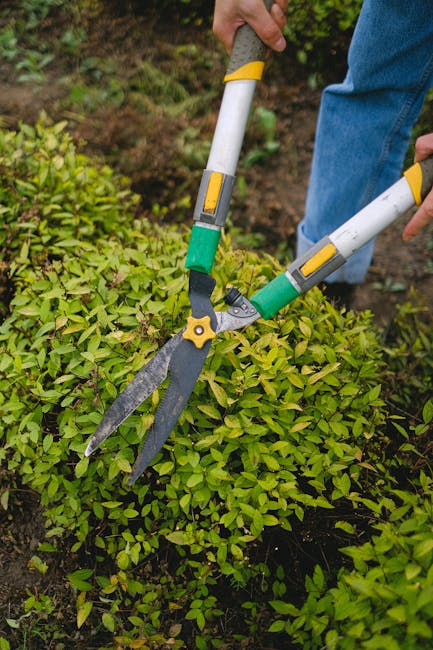
Sharp edges help a small garden look intentional. Trim grass edges, cut back plants that spill into walking routes, and shorten anything that has started to swallow the space. If hedges or boundary shrubs are forming a wall, consider whether a neater trim would open things up. A dedicated hedge trimming visit can make a small garden feel instantly lighter.
5. Refresh the lawn or replace it with something easier
If your garden has a lawn, keep mowing consistent rather than dramatic. Cutting too much at once stresses grass, especially in dry spells. In shady, narrow, or heavily used gardens, lawns can be patchy and awkward. Sometimes the better option is a smaller turf area, more paving, or planting beds that ask for less constant repair. If mowing is one of the recurring pain points, see whether lawn mowing support would be more efficient than trying to keep up alone.
6. Check drainage and hard surfaces
Clear leaves, algae, and soil build-up from paths and paved corners. In wetter weather, little patches of moss or algae can become slippery fast. This is especially worth checking near gates, side returns, and shaded walls where moisture lingers after rain.
7. Mulch and feed where needed
A thin layer of mulch around borders helps suppress weeds, hold moisture, and give the garden a more finished look. Feed plants only when it makes sense for their type and season. Overfeeding is a common mistake, and it can make growth messy rather than healthy.
8. Reassess the planting plan
Every few months, ask whether each plant is still earning its space. Small gardens benefit from restraint. One or two well-placed shrubs often do more good than six competing ones. If something is permanently outgrowing its spot, it may be time to move it or remove it.
Expert Tips for Better Results
After working around small gardens for long enough, a few patterns become clear. The biggest improvements usually come from little decisions, not huge effort.
- Choose fewer, better plants. A restrained planting scheme is easier to care for and often looks more expensive than a crowded one.
- Use height carefully. Vertical planting can be brilliant in small spaces, but only if it does not block light or make the garden feel boxed in.
- Keep hard edges crisp. A clean line between lawn, path, and border instantly makes the space look sharper.
- Work in short sessions. Fifteen minutes with secateurs and a trug often beats a once-a-month marathon.
- Look at the garden from inside the house. This is a big one. What looks tidy from the fence may not feel balanced from the kitchen window.
- Prune for shape, not just size. A plant can be small enough but still look untidy if it has weak or crossing growth.
One useful mindset shift: do not try to make a small garden do everything. A dining space, wildlife corner, storage zone, lawn, play area, and flower borders can be too much all at once. Pick the jobs that matter most and let the garden breathe. Oddly enough, that makes it feel more generous.
If you are adding structural features such as patios or timber areas, maintenance should be part of the decision. A tidy edge around a deck or seating zone is much easier to live with than one that constantly sheds leaves and mud. In that situation, decking services may be worth considering as part of a broader, lower-maintenance layout.
Common Mistakes to Avoid
Small gardens tend to magnify mistakes. A slight imbalance in a large garden can be forgiven; in a compact one, it can dominate the whole space.
- Letting plants grow to full size without checking mature spread. This is probably the classic mistake. A plant that suits a big border may overwhelm a narrow yard.
- Overcrowding pots and beds. Too many containers can make the space feel busy, not beautiful.
- Cutting too hard, too late. Harsh pruning can leave shrubs looking bare and stressed.
- Ignoring drainage issues. Small wet patches can become permanent boggy corners if not dealt with early.
- Using too many different materials. Mixed paving, gravel, timber, and edging can quickly feel chaotic.
- Skipping waste removal. A tidy cut-back means little if bags of clippings sit there for weeks.
- Forgetting access. If you cannot reach the back fence, shed, or bin area easily, maintenance becomes harder every time.
A subtle one is the "nearly tidy" problem. A garden can be technically maintained but still feel unfinished because one awkward corner is always left. Usually it is a boundary strip, a fence line, or a shaded patch behind a shed. Give those areas attention too, even if only briefly.
Tools, Resources and Recommendations
You do not need a shed full of kit to maintain a small back garden well. In fact, too many tools can become part of the clutter. A focused set is better.
| Task | Useful tool or method | Why it helps in small gardens |
|---|---|---|
| Weeding | Hand fork, weeding knife, gloves | Lets you work accurately around borders and paving joints |
| Pruning | Bypass secateurs, small loppers | Good for shaping shrubs without overcutting |
| Leaf and debris removal | Rake, broom, trug | Keeps paths, patios, and borders looking crisp |
| Lawn care | Lightweight mower or regular mowing service | Prevents overcutting and patchy growth |
| Border finishing | Spade or half-moon edging tool | Sharpens the outline of a compact garden |
| Waste handling | Reusable garden sacks, compost bin, clear bag system | Makes clear-up quicker and more organised |
If you are not sure where to start, begin with the jobs that affect how the garden looks from the house: weeds, edges, and access points. Those are the visual anchors. Once those are sorted, the rest often feels easier.
It can also help to group your garden tasks into categories: weekly, monthly, and seasonal. That way the work stays light. For some households, a professional maintenance package is easier to budget for than a series of emergency fixes. If you are comparing options, the pricing and quotes page may help you understand how services are usually approached.
Law, Compliance, Standards, or Best Practice
For most small domestic gardens, maintenance is guided more by common-sense best practice than by complicated rules. Still, there are a few things worth keeping in mind.
If you cut back hedges, trees, or shrubs near boundaries, be careful not to damage neighbouring property. In shared or close-built settings, it is polite and sensible to check what belongs to whom before trimming. That sounds obvious, but it saves awkward conversations.
If waste is being removed from the site, it should be handled responsibly. Garden waste can often be composted, reused, or taken for recycling depending on the material. Responsible disposal is part of good practice, not an afterthought. For more on the company's approach, see recycling and sustainability.
Health and safety matters too, especially if ladders, power tools, heavy bags, or sharp cutting equipment are involved. Wet paving, uneven surfaces, and hidden debris can create avoidable risks. If a job looks awkward, it is usually best approached slowly, with the right equipment, or not at all. No garden plant is worth a twisted ankle on a damp Tuesday morning.
Where work is being carried out by a service provider, it is reasonable to look for clear explanations of safety, insurance, and working practices. Those details help you understand how the work will be managed. You can review the company's health and safety policy and insurance and safety information if you want that reassurance before booking.
Options, Methods, or Comparison Table
There is no single best way to maintain a small garden. The right method depends on how much time you have, how complex the planting is, and how tidy you want the space to feel week to week.
| Approach | Best for | Pros | Trade-offs |
|---|---|---|---|
| DIY weekly upkeep | Simple gardens and hands-on owners | Low cost, flexible, satisfying | Requires consistency and basic tools |
| Monthly tidy plus DIY in-between | Busy households | Balances effort and appearance | Can slip if the monthly session is delayed |
| Professional maintenance visits | Overgrown, time-poor, or awkward gardens | Reliable, efficient, often faster | Ongoing cost |
| One-off reset and then upkeep | Gardens that need a fresh start | Great for reclaiming space quickly | Needs a follow-up routine to avoid relapse |
For many CH62 homes, a combination works best. A one-off clear and reshape, followed by lighter regular care, is often more realistic than trying to do everything alone from scratch. A professional lawn mowing or border tidy on a recurring schedule can take a surprising amount of pressure off.
Case Study or Real-World Example
Imagine a small Eastham back garden with a narrow strip of lawn, two raised beds, a shed, and a paving area near the back door. On paper, it sounds manageable. In real life, it has probably been quietly absorbing weeds, a few self-seeded plants, and a soft layer of moss on the path for months.
In a typical reset, the first change would be visual rather than dramatic. The path gets swept, edges are cut back, dead stems are removed, and the lawn is trimmed to a sensible height. The raised beds are thinned out so the strongest plants can breathe. A couple of overcrowded pots are removed from the walkway. Suddenly the space feels twice as calm.
What usually surprises people is how little needs to change to make the biggest difference. The garden does not need a complete redesign. It just needs room to be itself. That often means taking out the things that are working against the space, not adding more.
In one fairly typical situation, a homeowner asked for help because the back garden looked "fine from far away, but messy up close." That is a very common feeling, by the way. After a tidy, some selective pruning, and a clearer route from the door to the seating area, the garden became somewhere they used again for breakfast and evening tea. Not a show garden. Just pleasant. And honestly, that is usually the goal.
Practical Checklist
Use this simple checklist to keep a small CH62 back garden under control.
- Remove visible clutter from paths, borders, and corners
- Check for weeds in paving, beds, and edges
- Trim back anything blocking access or light
- Inspect fences, gates, pots, and supports for damage
- Sweep paths and clear slippery moss or algae
- Mow lightly if the lawn is part of the garden
- Deadhead flowers and remove dead growth
- Make sure bins, tools, and storage items are tidy
- Look for crowded plants that need dividing, moving, or removing
- Bag up waste or arrange proper removal
- Revisit the garden from inside the house and check the overall view
If you complete even half of that list on a regular basis, the garden will usually feel much easier to live with. The key is not doing everything at once. It is staying ahead of the small stuff.
Get a free quote today and see how much you can save.
Conclusion
Small back gardens in CH62 do not need heroic effort to look good. They need steady attention, sensible planting choices, and a willingness to keep things simple. That is the real heart of CH62 garden maintenance tips for small Eastham back gardens: less clutter, cleaner edges, manageable growth, and a routine that respects the size of the space.
If your garden has started to feel like a job rather than a benefit, the answer is usually not more stress. It is a better plan. Sometimes that means a quick tidy every week. Sometimes it means professional help to get things back under control. Either way, a small garden can still be a lovely one. In fact, when it is well looked after, it often feels more personal than a bigger space ever could.
And there is something quietly satisfying about that first step outside on a clear morning, coffee in hand, when the garden just looks... right.
Frequently Asked Questions
What are the best CH62 garden maintenance tips for small Eastham back gardens?
The best tips are to keep the layout simple, trim edges often, remove weeds early, and avoid overcrowding. In a small garden, regular light maintenance beats occasional heavy work.
How often should a small back garden be maintained?
Most small gardens benefit from a quick weekly tidy, with slightly bigger jobs done monthly or seasonally. During spring and summer, growth can speed up, so a little extra attention helps.
Is lawn care worth keeping in a small Eastham garden?
Sometimes yes, sometimes no. A small lawn can add softness and usability, but only if it can be kept neat. If mowing and repair are becoming a chore, reducing the lawn area may be the better choice.
What is the easiest way to make a small garden look bigger?
Clear clutter, sharpen edges, reduce visual noise, and let light move through the space. Fewer plants with better spacing often make the area feel more open than adding more features.
Should I hire a professional for small garden maintenance?
If you do not have time, if the space has become overgrown, or if awkward pruning is involved, yes, it can be worth it. A professional visit can reset the garden and make ongoing upkeep much easier.
What kind of plants work best in a compact back garden?
Choose plants that suit the available light and do not outgrow the space quickly. Compact shrubs, restrained climbers, and well-behaved perennials are usually easier to live with than vigorous species.
How can I reduce maintenance in a small garden?
Use more hard landscaping where appropriate, keep borders simple, choose lower-maintenance plants, and avoid filling every corner. A well-planned layout can save a surprising amount of work.
What should I do with garden waste after a tidy-up?
Separate reusable material, compost what you can, and remove the rest responsibly. If there is a lot of waste, a proper collection or clearance service may be easier than multiple bin loads.
Can hedge trimming help a small garden feel less cramped?
Absolutely. If hedges or shrubs are taking up too much width or height, careful trimming can open the garden up, improve light, and make boundaries look cleaner.
What are the most common mistakes in small garden maintenance?
The biggest mistakes are overcrowding, cutting back too aggressively, ignoring weeds, and letting debris build up. In small spaces, those issues become obvious very quickly.
When is the best time to start improving a small back garden?
Anytime is better than waiting for the "perfect" moment. That said, spring and early autumn are often good times to reset planting, tidy borders, and plan changes with the weather on your side.
Where can I find more help with Eastham garden services?
If you want broader support, it can help to review the site's services overview and see which options match the work your garden actually needs.
For a bit more background on the team, you can also read the about us page or get in touch through the contact page if you are ready to talk through your garden and what it needs.